

Why Canva’s Acquisition Spree Puts Adobe on Notice in Battle for Creative Marketing Tools
McKinsey reports that 92% of marketers use AI for campaign personalization, and companies using AI in sales and marketing see 10-20% higher ROI.


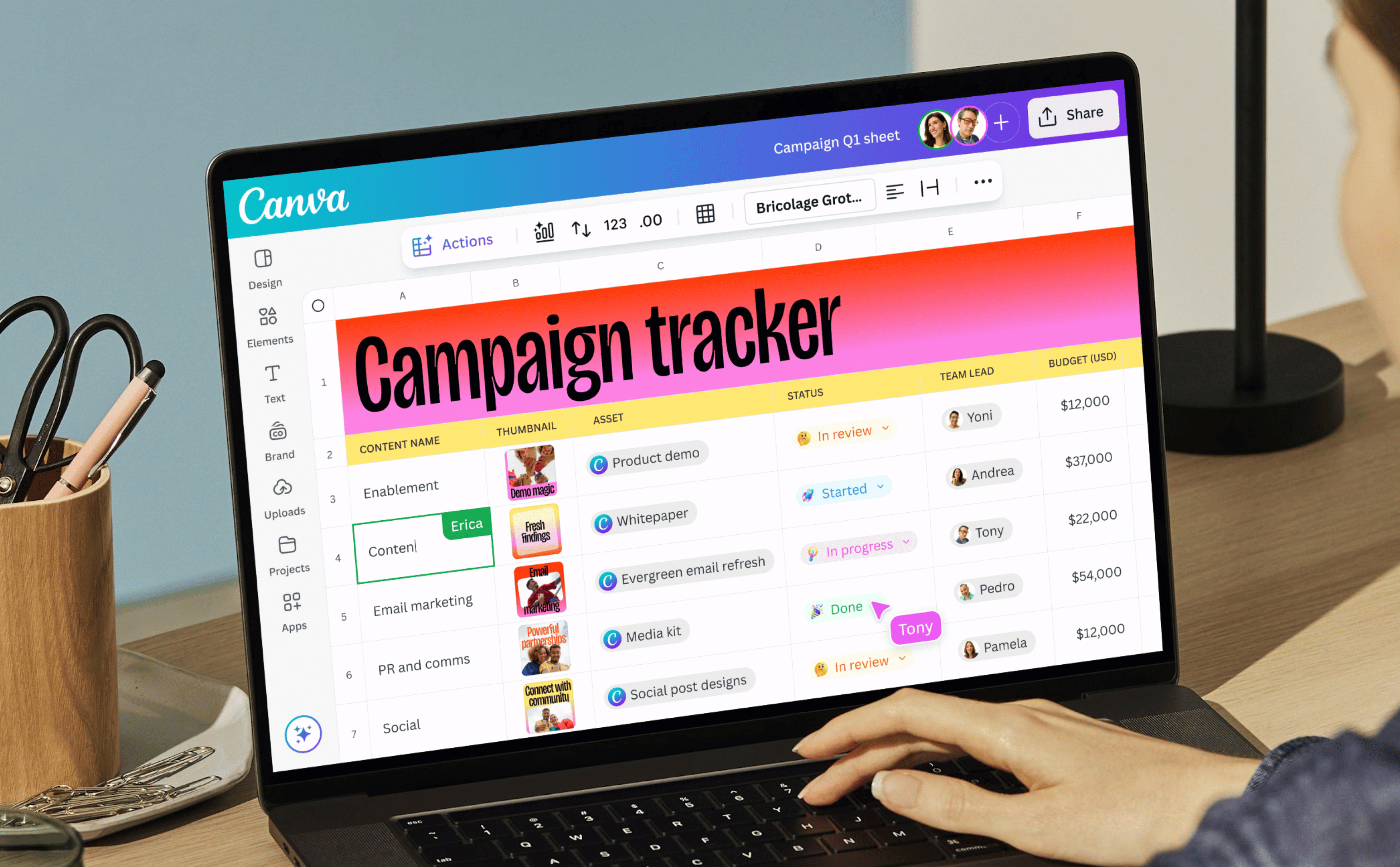
Canva’s latest string of deals from scooping up Affinity’s pro design suite to buying AI powerhouse Leonardo, Mango AI, and most recently Cavalry, makes clear it is no longer content to play in Adobe’s shadow, but is building a full-stack, AI-native creative marketing platform.
Canva acquired MangoAI and Cavalry this week, representing a strategic expansion into professional creative tools and proprietary AI algorithms, positioning the company as a unified alternative to Adobe’s fragmented product suite. With $4 billion in annualized revenue and 265 million users, Canva demonstrates how AI-native platforms are reshaping the creative software market.
What You Need to Know:
Canva acquired MangoAI (marketing algorithms) and Cavalry (motion design) in early 2026, following Affinity, Leonardo, and MagicBrief purchases
The company generated $4 billion in annualized revenue in 2025, up 36% year-over-year, with 31 million paid seats
Canva created a Chief Algorithms Officer role, signaling a shift from licensing AI to building proprietary capabilities
Adobe’s 30% stock decline in early 2026 reflects market reassessment of legacy software vendors facing AI disruption
Professional adoption remains the critical test for Canva’s enterprise expansion strategy
Canva announced two acquisitions in early 2025: MangoAI, a marketing-algorithm startup, and Cavalry, a UK-based motion design platform. The deals follow a pattern established with previous purchases of Affinity, Leonardo, and MagicBrief.
The timing is notable. Adobe’s shares declined 30% in early 2026 as investors reassessed software companies facing AI disruption. Canva closed 2025 with $4 billion in annualized revenue, up 36% year-over-year, with more than 31 million paid seats.
What Canva’s Acquisition Pattern Reveals About Market Strategy
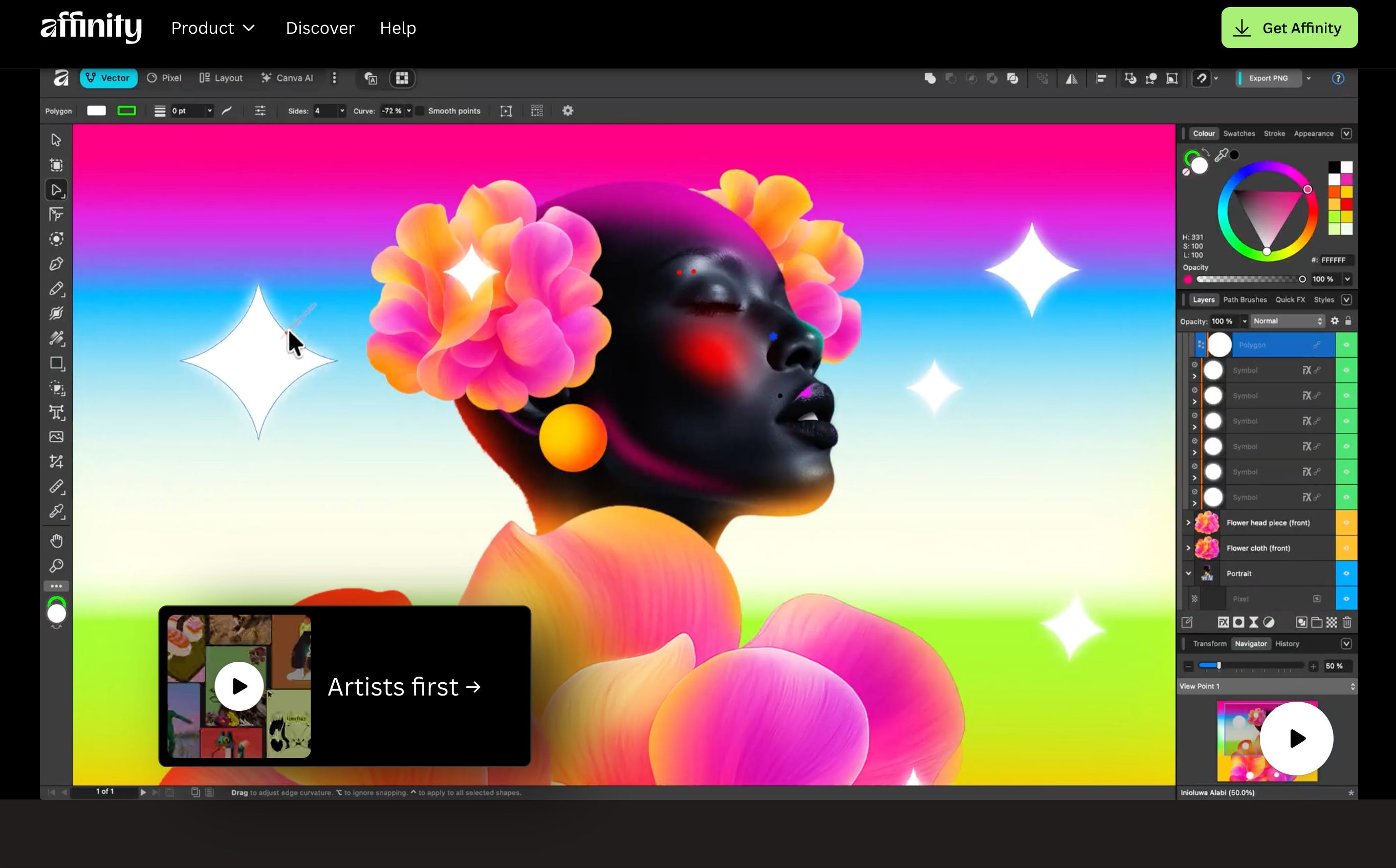
When Canva made Affinity free in October 2024, analysts viewed it as a user acquisition tactic. The actual signal was different. Affinity surpassed 5 million downloads within months, demonstrating professional designers were actively seeking alternatives to Adobe’s pricing structure.
The MangoAI acquisition reveals additional strategic depth. Nirmal Govind, former Vice President of Data Science and Engineering at Netflix, joins Canva as its first Chief Algorithms Officer. This newly created role signals Canva is building proprietary algorithmic capabilities rather than relying on third-party AI models.
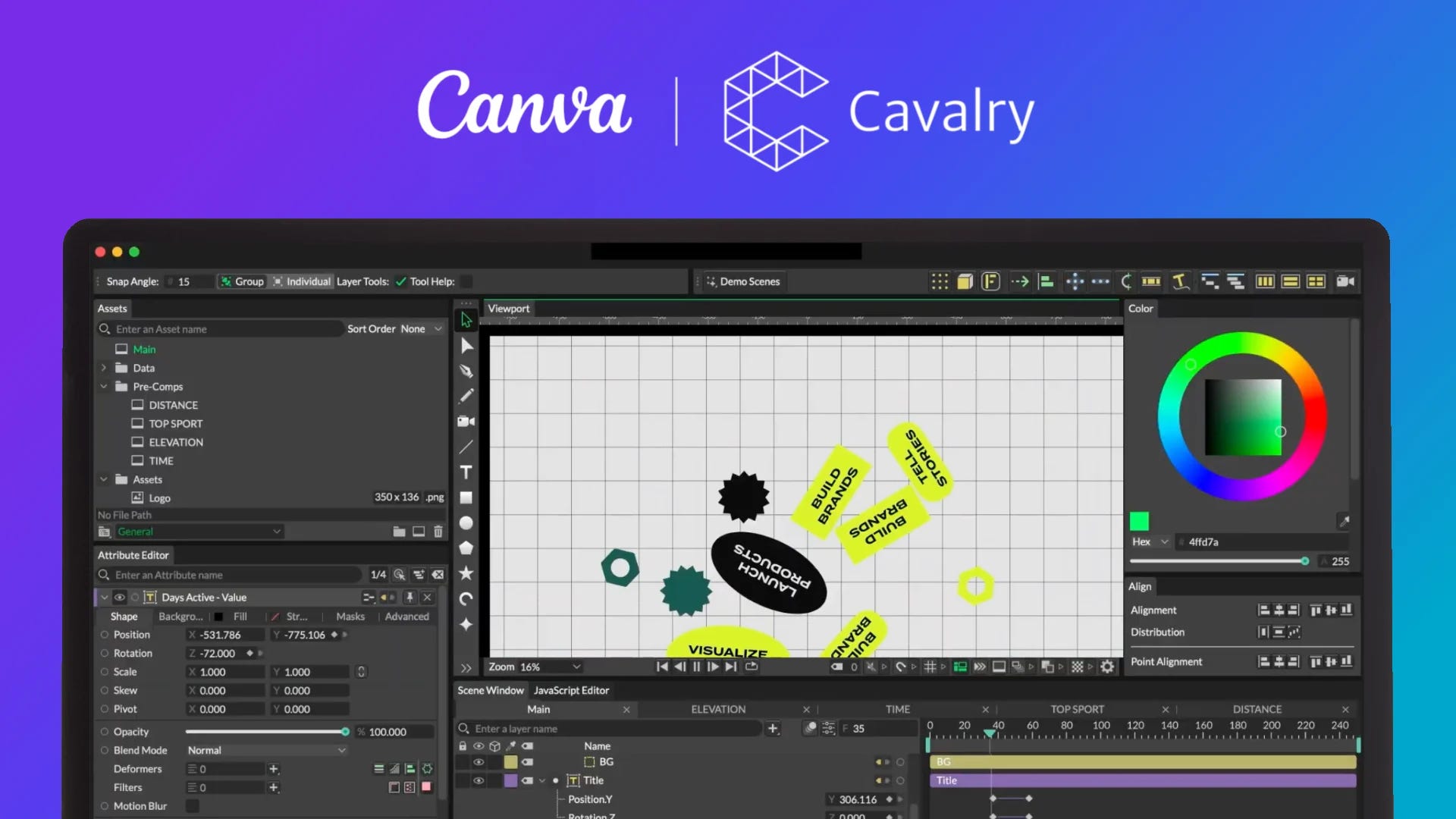
Cavalry brings immediate enterprise credibility. The platform is used by motion designers at Amazon, Meta, Google, and Netflix. Canva gains enterprise-grade 2D animation capabilities and direct relationships with Fortune 500 creative teams.
Strategic Insight: Canva’s acquisitions target three integration points: professional design tools, AI generation capabilities, and workflow automation. Each purchase fills a specific gap in the creative production pipeline.
How Adobe’s Approach Differs from Canva’s AI Integration
Adobe treated AI as a feature enhancement to existing products. Canva treated it as infrastructure. The difference appears in usage data: Canva’s AI tools have been used more than 24 billion times to generate presentations, transform documents, create videos, and scale content across channels.
Market research supports this approach. McKinsey reports that 92% of marketers use AI for campaign personalization, and companies using AI in sales and marketing see 10-20% higher ROI.
