



From mall anchors to DTC beauty, brands are learning that storytelling is not enough; shoppers now read the legal fine print, the balance sheet, and the discount ladder before they buy.
JCPenney Turns Breakups Into Lab-Grown Diamonds And Good360 Donations
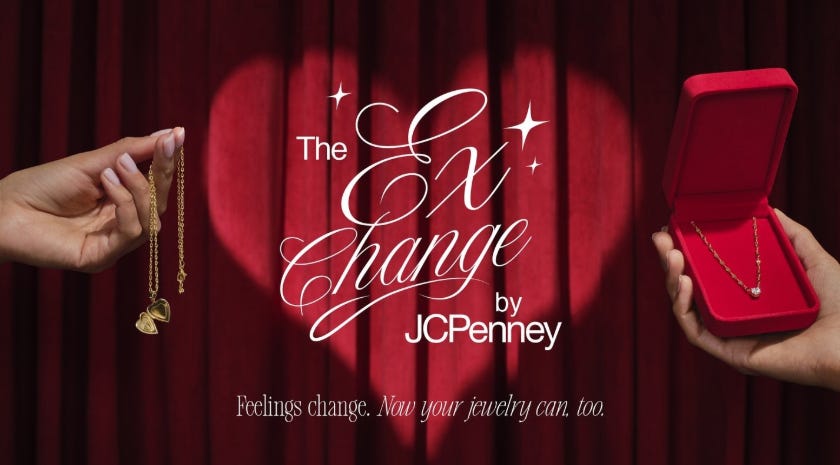
JCPenney is leaning into breakup energy this Valentine’s Day with The JCPenney Ex Change, a one‑day event where shoppers can swap “once loved” jewelry for a ½ carat lab-grown diamond necklace in 14k yellow gold over silver, with donations of collected pieces going to Good360 for a literal second life. The in‑store moment is backed by “The Perfect Ex‑Cuse Discount,” offering up to 70% off select fine and fashion jewelry through mid‑February as the retailer positions lab-grown diamonds as “bigger sparkle, smarter luxury” and reframes Valentine’s Day as a self‑gifting season.
Clarins Bets On AI Skin Observer To Power Diagnostic Beauty Counters
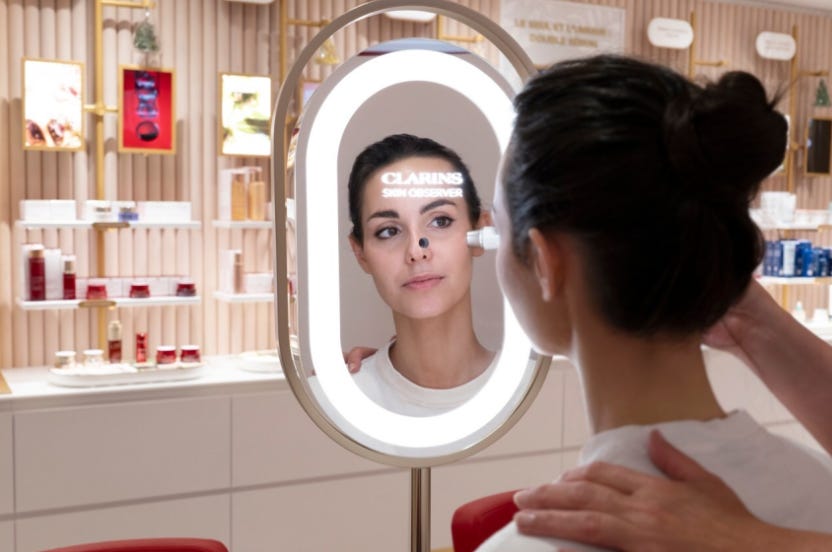
Clarins is rolling out its AI‑powered Skin Observer, bringing imaging and algorithmic diagnostics to beauty counters to map hydration, texture, and other skin concerns in minutes. The system is designed to tighten the loop between consultation and conversion, giving advisors data‑backed recommendations that can be used to personalize routines, justify premium pricing, and build a repeat‑visit cadence around measurable skin “progress.”
Stripes Beauty And Ulta Put Menopause Care On The Main Floor

Stripes Beauty is expanding clinically backed menopause care across Ulta Beauty doors in the U.S., moving hot flashes, dryness, and hormonal shifts out of the taboo aisle and into the core beauty conversation. The partnership turns a once‑whispered life stage into a merchandising story, with education, targeted formulas, and in‑store visibility signaling that perimenopause and menopause are now a growth category, not a niche side shelf.
Nordstrom Rack’s Park City Opening Tests Value Luxury In Resort Country
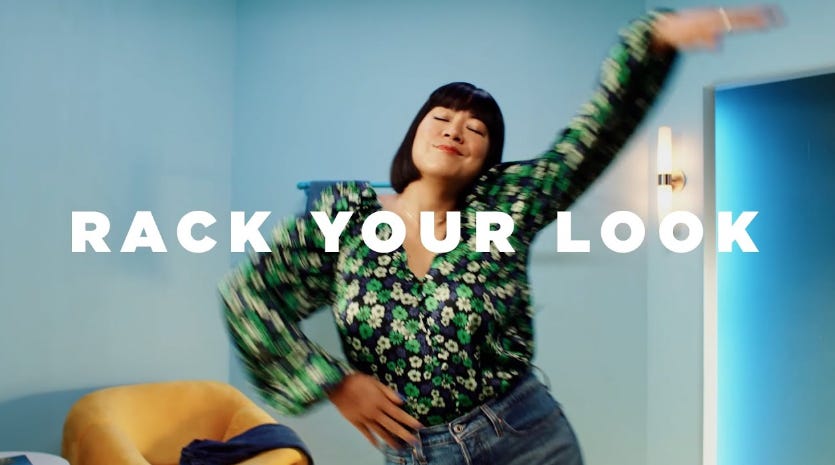
Nordstrom Rack’s new Park City store is a win for Utah shoppers who have historically had to travel or shop online for off‑price designer and contemporary labels. By planting a Rack in a resort‑adjacent market, Nordstrom is betting on a mix of locals and seasonal traffic who want branded fashion, footwear, and beauty at value price points, effectively extending “treasure hunt” culture to a town better known for ski chalets than outlet centers.
Fast Fashion’s “Discount Illusion” Is Costing Hundreds Of Millions
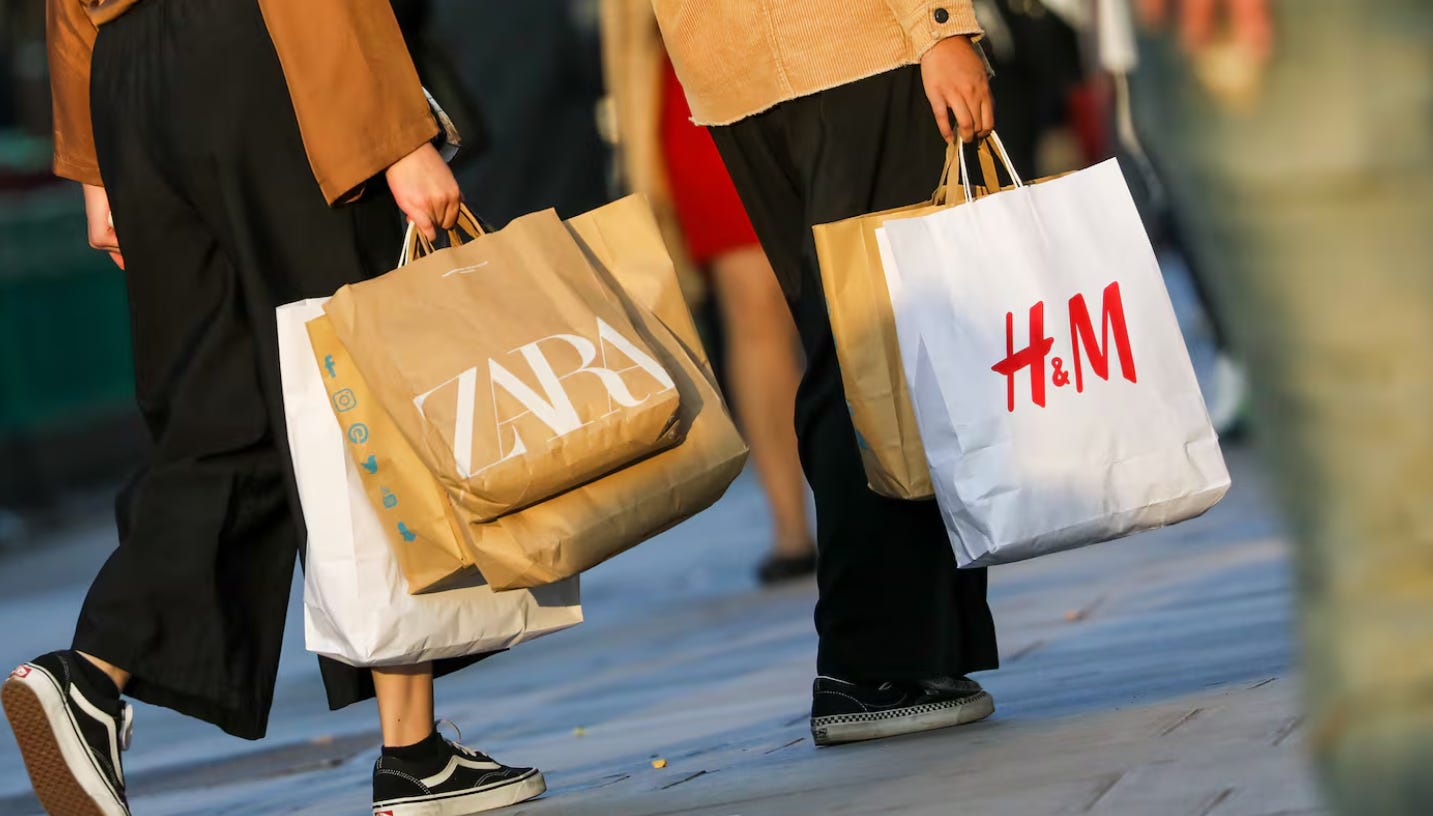
Fast fashion players have quietly engineered a pricing illusion, using inflated “original” prices and comparison strikethroughs that have triggered massive legal settlements under California’s strict pricing laws. Boohoo agreed to pay $197 million, JCPenney paid $50 million, Ascena Retail Group settled for $50.8 million, and major names including Amazon, Gap, J.Crew, Kate Spade, Neiman Marcus, and Walmart have all faced similar actions, even as disclaimers and arbitration clauses attempt to keep the practice alive in a more legally insulated form.
When retailers admit in fine print that “discounts may not be based on former prices,” that 60% off tag becomes less about savings and more about perception management—suggesting the real value might be in walking away rather than buying into the promo story.
