

Google's Commerce Protocol Reveals Who Really Controls the Shopping Cart
Google’s new Universal Commerce Protocol promises “open commerce”, but when the AI owns the journey, how open is control really?

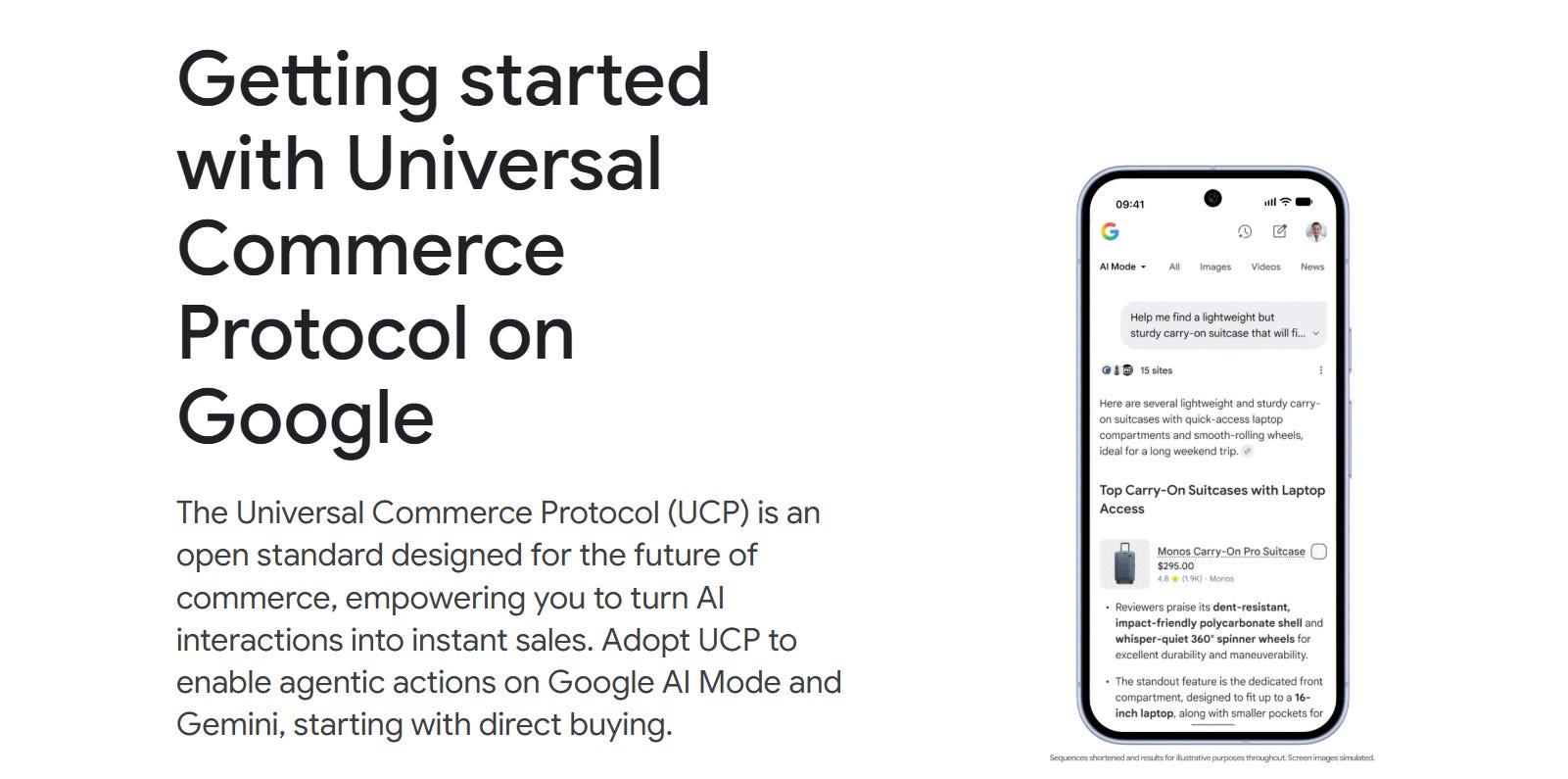
Google just announced the Universal Commerce Protocol at NRF. Twenty major retailers signed on, including Shopify, Target, Walmart, and Etsy. Payment giants like Visa, Mastercard, and PayPal joined the coalition.
The pitch: an open standard that lets AI agents handle shopping across platforms without custom integrations.
But the data tells a different story.
The Numbers Show Behavioral Change, Not Experimentation
McKinsey projects agentic commerce will reach $3-5 trillion by 2030. Adobe reports that generative AI traffic to retail sites grew 4,700% year-over-year in July 2025.
Six in 10 U.S. consumers expect to use AI shopping agents within the next year. Among those who’ve tried it, 85% said it improved the experience, and 73% now use it as their primary research source.
The conversion gap is closing fast. In January 2025, generative AI traffic was 49% less likely to convert. By July, that gap dropped to 23%.
The Infrastructure Advantage Google Isn’t Talking About
Google’s Shopping Graph contains more than 50 billion product listings, refreshing 2 billion every hour. People shop across Google more than a billion times per day.
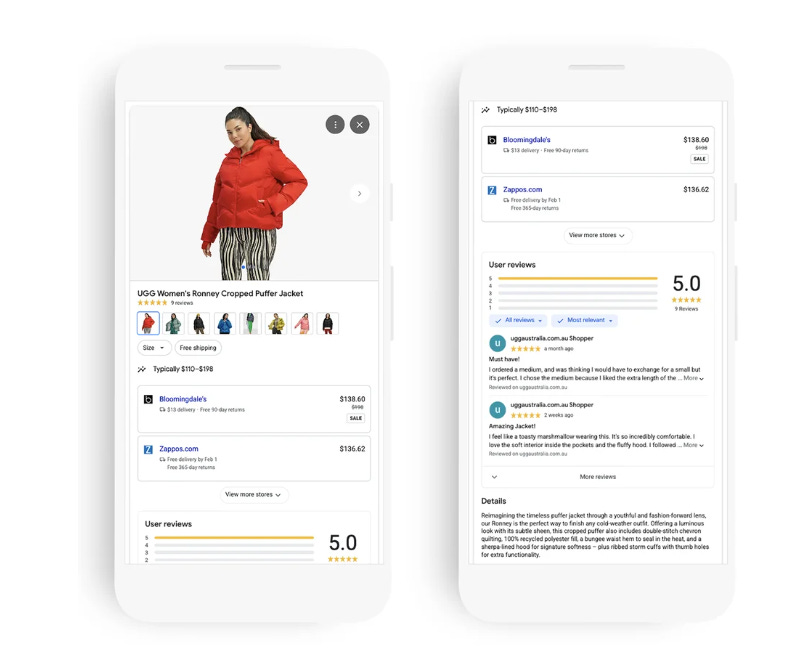
The UCP announcement positions this existing infrastructure as the backbone of a new shopping paradigm. When Google talks about “open standards,” they’re offering access to a system they’ve spent years building and already control.
